Table of Contents
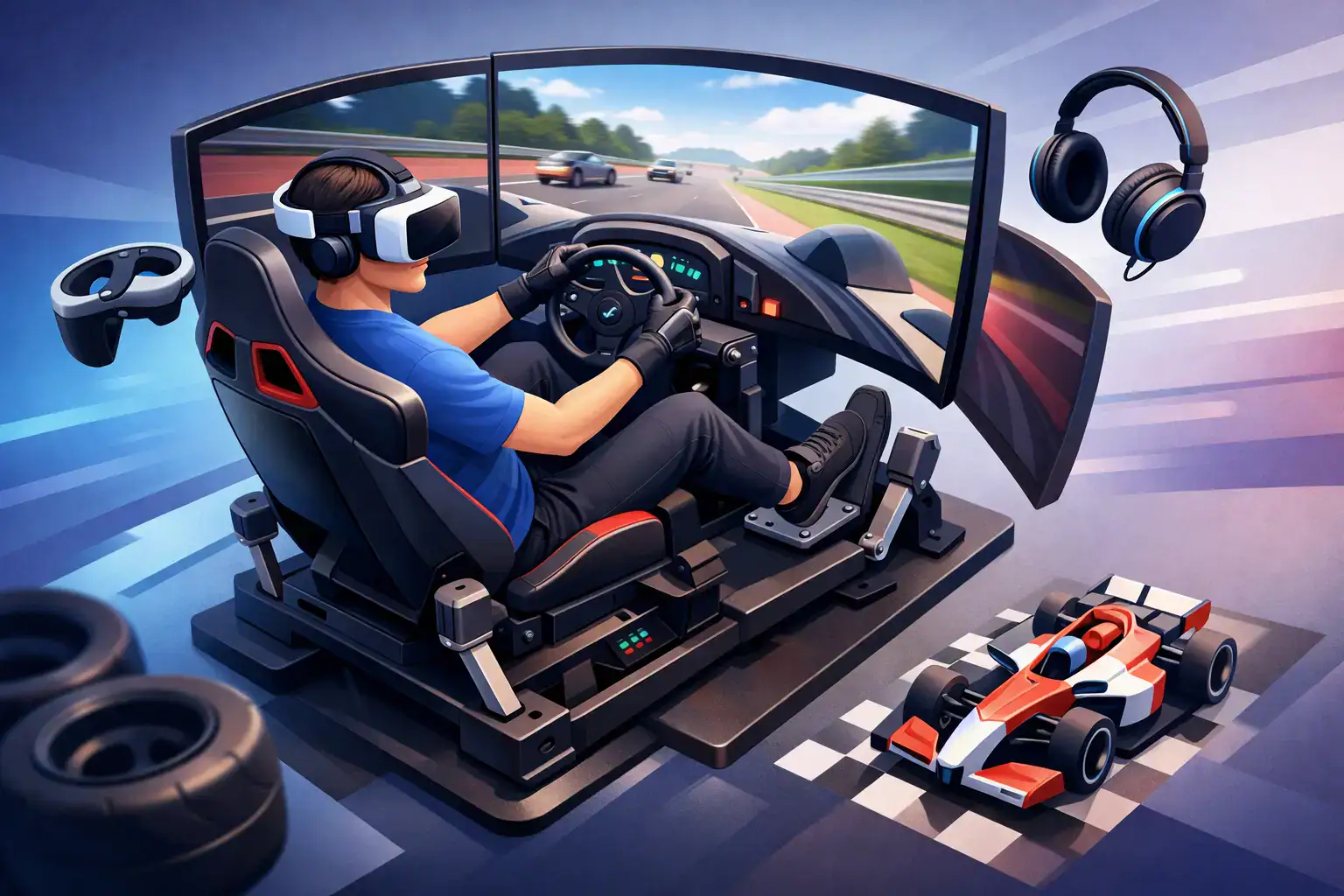
The first corner tells you everything. You lean instinctively, your hands tighten on the wheel, the track drops away at the edge of your vision, and suddenly this is not just another game. A vr racing simulator experience hits differently because your eyes, ears, and body all agree on one thing – you are moving fast.
That is the real appeal. It is not only about seeing a race from the driver’s seat. It is about feeling the surge of acceleration, reading each turn under pressure, and reacting in the moment as the simulator turns digital speed into physical sensation. For families, friend groups, teens, and team outings, that creates a kind of entertainment that feels bigger than a standard arcade and more active than watching from the sidelines.
Why a vr racing simulator experience feels so intense
Traditional racing games can be fun, but they usually stop at the screen. A vr racing simulator experience goes much further by layering panoramic visuals, spatial audio, and motion into one connected ride. When those elements are working together, your brain stops treating the action as something you are observing and starts treating it as something you are doing.
The headset places you directly inside the cockpit. Instead of looking at a track from a distance, you judge the line through the windshield, check your surroundings naturally, and feel more aware of speed because the world moves around you at full scale. Add a motion platform beneath you and the fantasy sharpens. You do not just watch a sharp turn happen. You feel the shift.
That physical feedback matters more than many first-time guests expect. Even a short session can feel surprisingly convincing because motion changes the whole rhythm of play. Braking becomes more dramatic. Straightaways feel faster. Tight corners demand focus. The result is not just immersion for immersion’s sake. It creates tension, excitement, and a strong sense of presence.
More than gaming, less intimidating than real motorsport
Part of the magic is the balance. Racing in VR feels high-stakes and cinematic, but it is still approachable for beginners. You do not need track experience, expensive gear, or hours of practice to enjoy your first run. That makes it a strong fit for mixed groups where some people are competitive and others just want a thrill.
This is where location-based simulator attractions stand apart from home setups. At home, even a good headset can feel limited by space, hardware, and setup quality. In a professionally operated attraction, the calibration, seating, motion, audio, and support are designed to work together from the start. That means less fiddling and more action.
It also makes the experience feel more welcoming. If you are trying VR for the first time, staff guidance can make a huge difference. A quick orientation, help with the headset, and clear safety instructions remove the uncertainty that sometimes keeps people from trying advanced attractions. Instead of feeling technical, it feels exciting and easy to step into.
What happens during the ride
Most guests want to know one thing before booking or lining up – what does it actually feel like once it starts?
You settle into the simulator seat and get fitted with the headset. Once the race begins, the outside world fades fast. The track surrounds you, the engine note rises, and your body starts responding before you even think about it. You brace during acceleration. You anticipate the next bend. You react when the platform shifts under you.
That is why these attractions are so memorable. The sensory combination creates a full-body response. Your stomach may flutter on a sudden movement. Your posture changes through turns. You may laugh, yell, or come off the ride with that wide-eyed look people get after doing something that felt unexpectedly real.
The exact intensity can vary depending on the simulator design and the content itself. Some races feel smooth and fast. Others lean harder into aggressive movement and adrenaline. That variety is a strength because not every guest wants the same level of thrill. A teen birthday group may want pure excitement, while a parent trying VR for the first time may prefer a slightly gentler entry point.
Who enjoys this kind of attraction most
A vr racing simulator experience has broad appeal because it works on different levels. Competitive guests love chasing better runs and pushing harder into corners. Casual guests enjoy the spectacle and the sensation of speed. Groups enjoy the reactions, the cheering, and the shared stories afterwards.
For families, it helps that the attraction feels premium without requiring prior gaming knowledge. You do not need to know button combinations or study complicated systems. If you can sit down, listen to a quick briefing, and get excited about speed, you are already most of the way there.
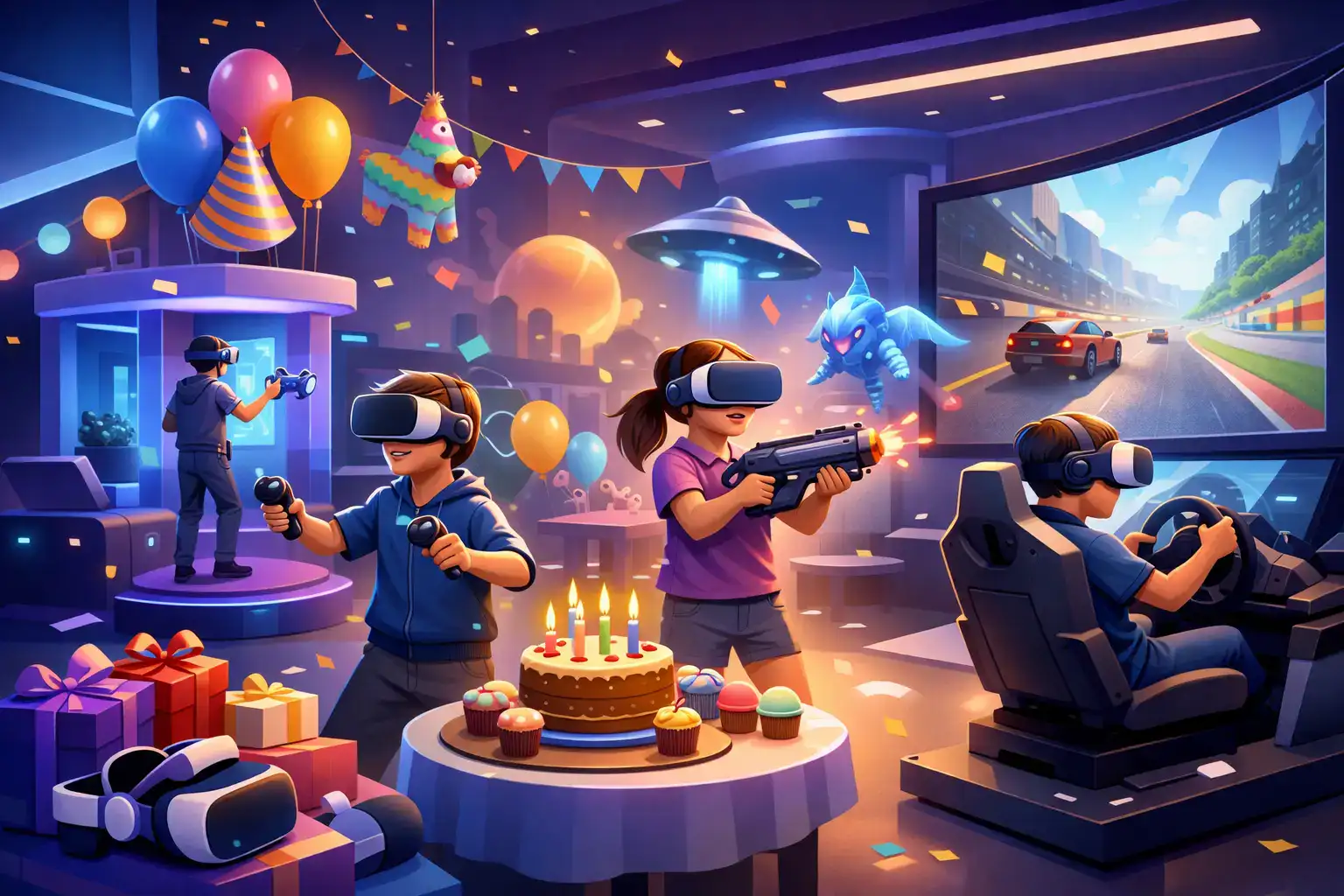
For birthday parties and friend outings, racing works because it is instantly understandable. Everyone knows what a race is. That means less explanation and more anticipation. It also creates easy social energy. People compare runs, talk about the sharpest turn, and relive the moments when the motion kicked in strongest.
For corporate groups, there is another advantage. Racing simulators feel futuristic and fun, but they also create a natural challenge. People talk, laugh, compete a little, and bond over a shared adrenaline rush. It is a clean fit for team-building because it gets people engaged quickly without forcing awkward participation.
What to expect before you book
The best experience starts with clear expectations. Most venues provide practical guidance around age suitability, height or weight considerations, ride duration, and how intense the motion may feel. Those details are not filler. They help guests choose the right attraction with confidence.
If you are planning for children or a mixed-age group, check the minimum requirements ahead of time. Some simulators are built for stronger motion and may be better suited to older kids, teens, and adults. Others are accessible enough for first-time users who want excitement without extreme intensity. It depends on the specific ride platform and content.
Session length also matters. A shorter simulator run can still feel substantial because the sensory load is high. That is actually part of the appeal. You can fit a memorable attraction into a larger outing, whether that is a mall trip, birthday party, date night, or group event.
Hygiene and operational support matter too, especially for parents and group organizers. Clean headsets, well-maintained seating, and staff who can guide guests in and out of the attraction make the whole visit feel more polished. Premium VR should feel exciting, but it should also feel organized and safe.
Why the setting changes everything
There is a major difference between trying VR alone and experiencing it in a live entertainment venue. The setting adds energy. You hear reactions around you, see people stepping off other attractions, and get that charged feeling that something big is about to happen. It turns one simulator session into part of a larger event.
That is especially valuable when the venue offers more than one kind of attraction. A racing simulator can be the adrenaline anchor inside a bigger visit that also includes flying, exploration, or other motion-based adventures. For groups, that variety solves a common problem. Not everyone wants the exact same thrill, but everyone wants something memorable.
This is part of what makes a well-curated VR venue feel current in a way older arcades often do not. The entertainment is not passive, and it is not one-note. It moves you, surprises you, and gives groups something to talk about long after the session ends. At locations like RealityScape VR, that mix of motion technology, immersive content, and staff-supported access is what turns curiosity into a repeat visit.
Is it worth trying if you are not a racing fan?
Usually, yes. You do not need to follow motorsport to enjoy the sensation of control, speed, and motion. The attraction works because it taps into something more basic than fandom. It puts you in a high-energy situation and lets your senses take over.
That said, personal preference still matters. If you love fast rides, competitive games, or anything immersive, this will likely land well. If you are cautious with motion-heavy attractions, you may want to start with staff guidance and choose a session that matches your comfort level. The good news is that modern VR venues are designed for exactly that kind of onboarding.
A great vr racing simulator experience gives you more than a few minutes of entertainment. It gives you a story you feel in your chest the second the track opens up and the race begins.